Software for you in the manufacturing industry
Data from recent studies indicates that over 90% of manufacturing companies are leveraging some form of software solutions to enhance their operational efficiency and productivity. This compelling statistic underscores the significant role software plays in transforming the manufacturing landscape.
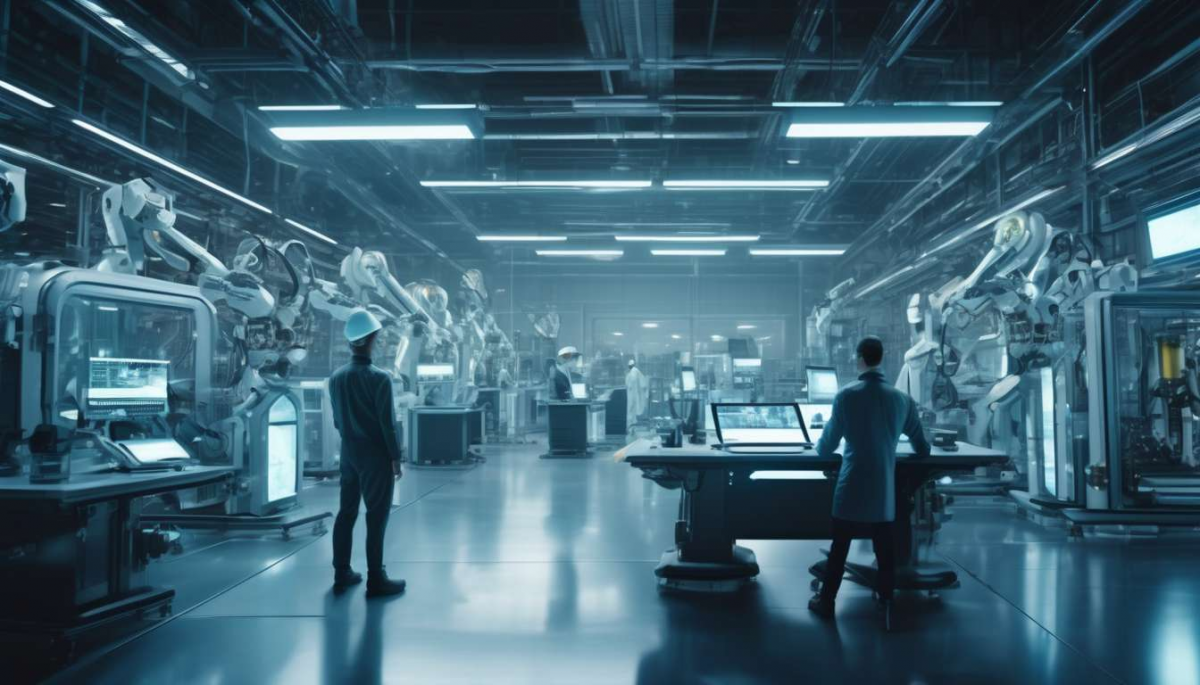
Ever-evolving technology breakthroughs raise an essential question: How do the latest software innovations specifically cater to the unique demands of the manufacturing sector? In the intricate ecosystem of manufacturing, software solutions are not just enhancing capacity but enabling precision, adaptability, and competitiveness.
A closer examination reveals that these tools are instrumental in:
- Streamlining supply chain management
- Optimizing production lines
- Ensuring product quality
With real-time analytics and automation, manufacturers are able to:
- Swiftly respond to market changes
- Maintain lean operations
These software solutions are no longer optional but have become integral components of successful manufacturing strategies, carving out pathways for industry leaders to achieve sustainable growth and innovation.
One such leader, Atlas Copco ITBA, exemplifies how strategic software integration can drive transformative change in the manufacturing sector.
Enhancing Supply Chain Management
Advanced Manufacturing Software in Supply Chain Management
Advanced manufacturing software significantly improves supply chain management by optimizing inventory levels and streamlining communication between suppliers and manufacturers. This technology ensures that businesses maintain optimal stock levels, thus preventing excess inventory and shortages.
Consequently, production efficiency is enhanced, as the right materials are available at the right time, minimizing delays in the production process. Real-time analytics play a crucial role in this improvement, offering immediate insights into supply chain dynamics and enabling data-driven decision-making.
Integration of Real-Time Analytics
The integration of real-time analytics into supply chain management systems allows for:
- Continuous monitoring and analysis of supply chain performance.
- Identification of potential disruptions.
- Prompt implementation of corrective measures.
Seamless Communication and Collaboration
Advanced software facilitates seamless communication among supply chain participants, fostering a collaborative environment where stakeholders work together towards common goals. As a result, businesses achieve:
- Greater cohesion
- Enhanced resilience
- Swift adaptation to changing market conditions
Overall Impact
Ultimately, the adoption of advanced manufacturing software strengthens supply chain management, contributing to the industry’s overall success.
Improving Production Efficiency
Advanced Manufacturing Software and Production Efficiency
Advanced manufacturing software plays a crucial role in enhancing production efficiency by automating processes and reducing operational redundancies.
Strategic Integration of Supply Chain Management
The strategic integration of supply chain management tools within these software solutions ensures:
- A streamlined flow of materials and information
- Minimization of delays
- Optimization of resource allocation
Real-Time Analytics for Immediate Adjustments
By leveraging real-time analytics, manufacturers gain actionable insights into production lines, allowing for:
- Immediate adjustments to improve throughput
- Minimization of downtime
Importance in Today’s Competitive Market
In today’s competitive market, maintaining high production efficiency is essential for organizations striving to achieve:
- Cost-effectiveness
- Timely delivery
Real-time analytics empower manufacturers to:
- Monitor machine performance
- Predict maintenance needs
- Adjust production schedules dynamically
This continuous monitoring and adjustment foster a collaborative environment where each team member contributes to a shared goal of operational excellence.
Cultivating a Culture of Continuous Improvement
The implementation of advanced manufacturing software not only drives productivity but also cultivates a culture of continuous improvement.
By aligning production processes with supply chain management, companies can achieve:
- A harmonious balance between demand and output
- Enhanced overall efficiency
- Improved competitiveness in the manufacturing sector
Boosting Product Quality Control
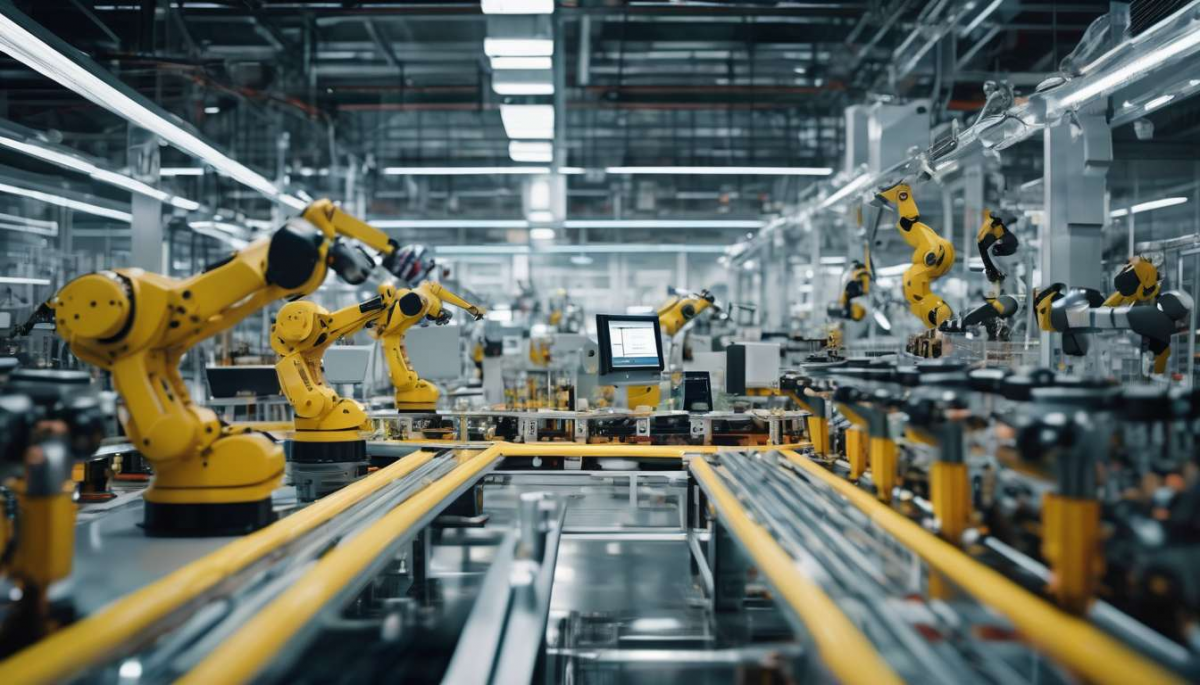
Advanced manufacturing software significantly boosts product quality control by enabling precise monitoring and management of production processes. Enhanced oversight ensures that every aspect of manufacturing aligns with stringent quality standards, fostering a culture of excellence within organizations.
Integration with supply chain management facilitates seamless coordination between suppliers and production units. This minimizes errors and ensures consistent material quality. The benefits of this integration include:
- Improved production efficiency
- Prompt identification and rectification of potential issues
- Reduction in waste and rework
Real-time analytics further enhance quality control by providing immediate insights into production metrics. This capability allows for:
- Quick adjustments in response to deviations from established quality benchmarks
- Use of advanced analytics tools to maintain a competitive edge
- Consistent delivery of high-quality products that meet or exceed customer expectations
Commitment to quality strengthens relationships with stakeholders, fostering a sense of belonging and trust within the industry community.
Enabling Real-Time Analytics
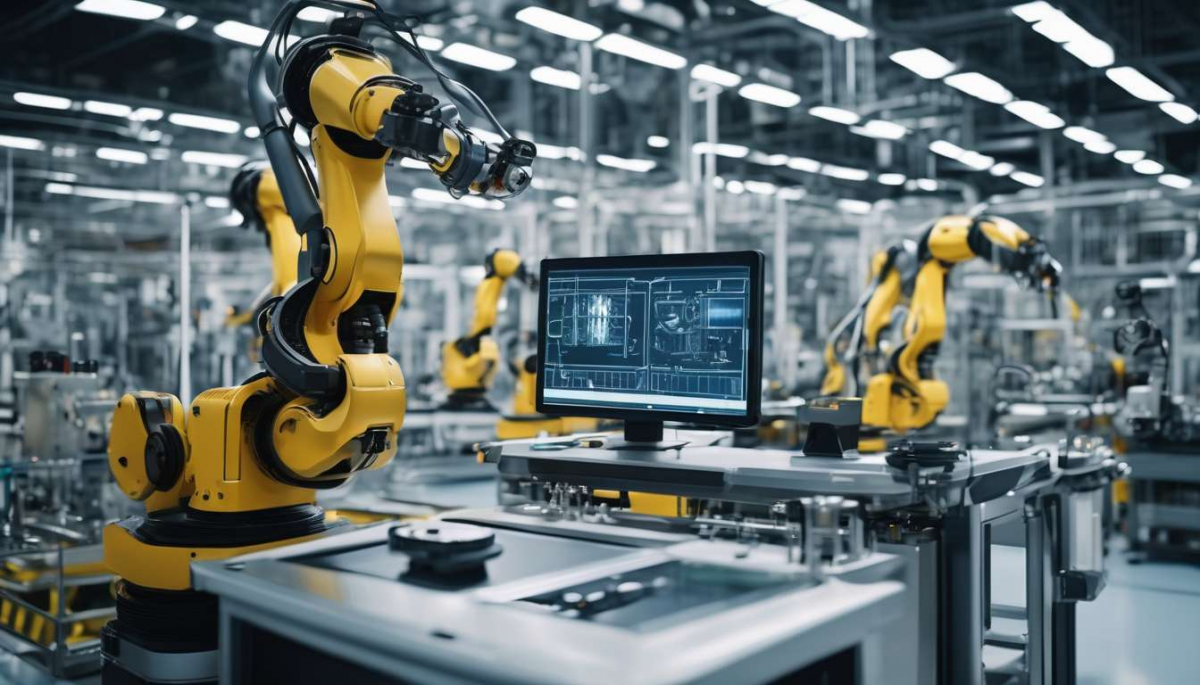
Cutting-edge software empowers manufacturers to harness real-time analytics, transforming raw production data into actionable insights that drive strategic decision-making.
This capability enhances supply chain management by providing instant visibility into operations, enabling businesses to:
- Anticipate disruptions
- Optimize resource allocation
Real-time analytics offers a comprehensive view of the manufacturing process, facilitating improved production efficiency through the rapid identification of bottlenecks and inefficiencies.
Moreover, real-time analytics fosters a collaborative environment where stakeholders can access up-to-date information, ensuring that everyone is aligned with organizational goals. By leveraging these insights, manufacturers can:
- Enhance their production strategies
- Meet market demands swiftly and effectively
This not only optimizes operations but also strengthens the entire supply chain, promoting a sense of unity and shared purpose across departments.
Incorporating real-time analytics into manufacturing processes leads to:
- Reduced operational costs
- Increased productivity
This provides a competitive edge in the ever-evolving industrial landscape. Consequently, businesses can achieve a harmonious balance between efficiency and innovation, reinforcing their position in the market.

Facilitating Market Response
Advanced manufacturing software significantly enhances market responsiveness by enabling rapid adaptation to changing consumer demands and industry trends. This adaptability is achieved through the integration of Supply Chain Management systems, which streamline operations and ensure timely delivery of products.
By optimizing production schedules and inventory levels, these systems contribute to improved Production Efficiency, allowing manufacturers to respond swiftly to market fluctuations.
Real-Time Analytics plays a crucial role in this process by providing accurate and up-to-date information on consumer preferences and market trends. This data-driven insight empowers manufacturers to make informed decisions, aligning production strategies with current market demands.
The ability to promptly adjust production plans and supply chain activities fosters a responsive and agile manufacturing environment, essential for maintaining competitive advantage.
In an industry where timing and precision are paramount, the seamless coordination of supply chain activities and production processes, facilitated by advanced software, becomes a cornerstone for success. This enables industry players to meet consumer expectations effectively, strengthening their market position.
Supporting Lean Operations
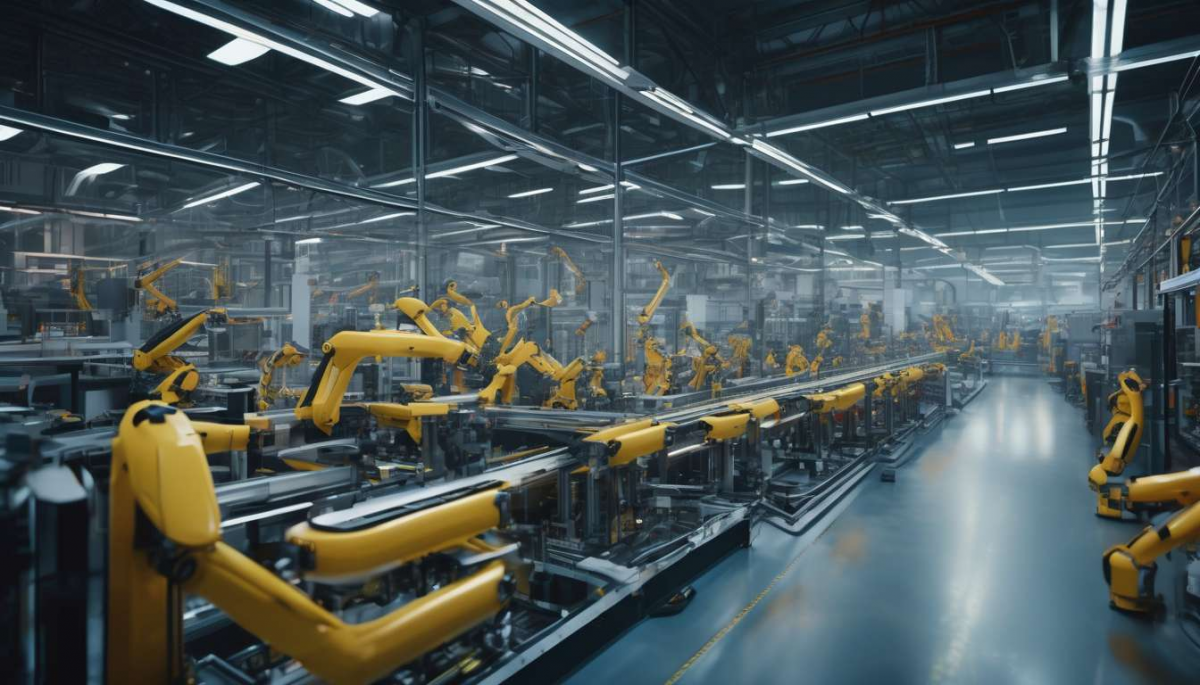
Advanced manufacturing software supports lean operations by streamlining processes, reducing waste, and enhancing overall efficiency.
In the context of supply chain management, this software offers a cohesive framework that:
- Aligns production schedules with demand forecasts
- Ensures optimal resource allocation
The integration of real-time analytics empowers organizations to make informed decisions swiftly, minimizing downtime and enhancing responsiveness to market changes.
Production efficiency is elevated through automated monitoring systems that:
- Track performance metrics
- Identify bottlenecks and areas for improvement
By utilizing data-driven insights, manufacturers can implement targeted strategies to enhance throughput while maintaining quality standards. The software’s ability to provide visibility across the entire production line fosters a culture of continuous improvement and collaboration among team members.
Furthermore, real-time analytics facilitate proactive maintenance by predicting equipment failures before they occur, thereby reducing unplanned downtime.
The collective impact of these capabilities not only strengthens operational agility but also fosters a sense of unity and alignment within the manufacturing community.